
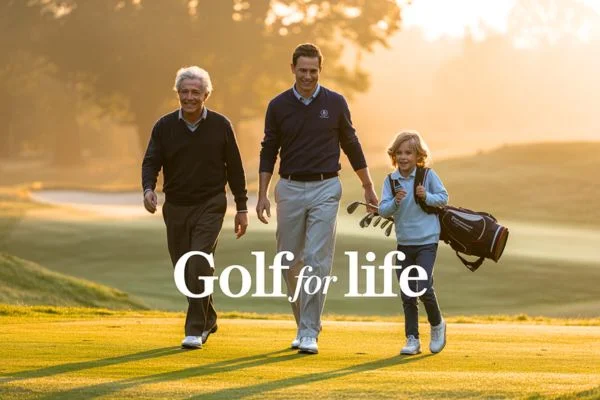

Golf is often seen as a sport of patience, precision, and focus. But in recent years, it has also earned another reputation: one of the best sports for long-term health and well-being. More and more people now recognize that golf is not just enjoyable — it is a life-long activity that can support physical fitness, mental clarity, emotional balance, and social connection well into older age.
At Fairways of Eden, we see this again and again. Golf is one of the few activities that people can continue enjoying for decades, while still benefiting from movement, fresh air, routine, challenge, and community. Whether you play once a month or build entire golf holidays in Thailand around it, the game offers benefits that go far beyond the scorecard.
Based on what makes golf such a lasting part of people’s lives. After working with golfers of different ages, backgrounds, and skill levels, one thing becomes very clear: golf often stays with people for decades because it gives more than just entertainment. It keeps them moving, thinking, connecting, and looking forward to the next round. This guide explains why golf is increasingly seen as one of the healthiest sports for long-term well-being.
Why Golf Supports Long-Term Physical Health
One of the biggest foundations of long-term health is consistent movement. Golf offers exactly that in a way that feels enjoyable rather than forced.
A round of golf naturally includes several hours of light to moderate physical activity. Depending on the course and whether you walk all or part of the round, many golfers easily reach a high daily step count while also engaging the body through rotation, balance, coordination, and controlled strength. That makes golf a form of exercise people can genuinely stick with over time.
Unlike high-impact sports, golf is much gentler on the joints. It keeps the body active without demanding explosive movement or repeated heavy strain. That is one of the reasons why so many people continue playing golf well into later life. The sport supports circulation, mobility, flexibility, and balance — all of which become more important with age.
Modern equipment has also made the game even more accessible. Lightweight clubs, more forgiving designs, and flexible setup options allow golfers to keep playing comfortably even as their body changes over time. Golf adapts to the player, and that is a major reason why it remains such a sustainable activity.
The Mental Health Benefits of Regular Golf
Golf does not only help the body. It also creates the kind of environment that supports a healthier mind.
A golf course is one of the few places where people can truly step away from the pressure and speed of everyday life. You are outdoors, surrounded by green space, focused on one shot at a time rather than a hundred distractions at once. That alone can have a calming effect.
Golf naturally encourages mindfulness. Every shot asks for attention, patience, and self-control. Even though the game can be frustrating at times, it also teaches acceptance, emotional regulation, and the ability to reset after mistakes. These are valuable mental skills both on and off the course.
There is also a strong sense of progress in golf. Whether someone is trying to break 100 for the first time or simply become more consistent, the game always offers a new layer to work on. That feeling of improvement and purpose plays a major role in long-term happiness and motivation.
Many golfers also describe the course as a mental reset. A round gives them time to think clearly, breathe deeply, and reconnect with themselves in a way that is hard to replicate in daily life.
How Social Connection in Golf Supports Longevity
One of the most overlooked parts of long-term well-being is social connection. Strong human relationships are closely tied to emotional stability, mental health, and healthy aging — and golf creates them naturally.
A round of golf gives people several uninterrupted hours together. There is time to talk, laugh, share stories, and enjoy company without the rush that often defines modern life. Unlike many other sports, golf leaves room for real conversation.
This makes golf especially valuable over time. Friendships are built and maintained on the course. Business relationships deepen there. Family members connect there. And for many people entering later stages of life, golf becomes an important social anchor that keeps them engaged and connected.
The golf community also creates a sense of belonging. Familiar courses, regular playing groups, and shared routines all contribute to emotional well-being. That feeling of connection matters far more than many people realize when it comes to living a healthy and fulfilling life.
Golf Is One of the Few Sports That Adapts to Every Stage of Life
Many sports are great at one point in life but become difficult to continue later on. Golf is different.
It is one of the few sports that can evolve with you over decades. You can play nine holes or eighteen. You can walk or use a cart. You can compete seriously or simply enjoy a casual round with friends. You can practice for an hour or spend a full day on the course. The game offers flexibility without losing its appeal.
Because golf does not depend on speed, aggression, or physical dominance, people can keep enjoying it without feeling that age automatically pushes them out. That makes it a rare kind of activity — one that remains relevant and rewarding across an entire lifetime.
This is also why golf is so often associated with healthy aging. It keeps people moving, mentally engaged, socially involved, and emotionally invested in something they enjoy. Very few activities combine all of those benefits as naturally as golf does.
Why Golf Travel Can Further Enhance Well-Being
Golf already offers a powerful mix of movement, focus, and connection. When you combine that with travel, the benefits often become even stronger.
A golf trip gives people something to look forward to, which in itself can boost motivation and happiness. It creates memorable experiences, new scenery, and a break from routine. And when the destination is right, the overall effect can feel genuinely restorative.
This is one of the reasons why Thailand golf holidays appeal to so many players. Warm weather, tropical surroundings, beautiful courses, and a more relaxed pace of life create an environment that naturally supports well-being. You are not only playing golf — you are spending time outdoors, enjoying nature, reconnecting with people, and giving yourself room to reset.
A golf holiday can refresh both body and mind. It can bring friends closer together, create new habits, and remind people why they fell in love with the game in the first place. Those benefits may begin during the trip, but they often stay with you long after you return home.
So, Is Golf Good for Your Health?
In short: yes, very much so.
Golf supports long-term physical health through steady, low-impact movement. It benefits mental well-being by reducing stress and encouraging focus. It strengthens social relationships by creating meaningful time with others. And because it adapts so well to different ages and abilities, it remains one of the few sports that people can continue enjoying throughout life.
That is what makes golf so powerful. It is not just exercise. It is not just a hobby. It is an activity that combines movement, nature, routine, challenge, and connection in a way that can genuinely improve quality of life over many years.
For many people, golf becomes far more than a game. It becomes part of a healthier lifestyle and a lasting source of joy, motivation, and balance.
Golf Can Be a Foundation for a Longer, Healthier Life
At its best, golf gives people exactly what modern life often lacks: time outdoors, meaningful movement, mental reset, and real connection with others.
It keeps you active without overwhelming the body. It sharpens the mind without feeling like work. It creates structure, anticipation, and community. And because it can stay with you through every stage of life, it offers something incredibly valuable — continuity.
That is why so many golfers keep coming back to the game year after year. Not only because they want to play better, but because golf simply makes life feel better.
👉 Want to enjoy all the benefits of golf in a setting that helps you truly switch off? Start planning your golf holiday in Thailand with Fairways of Eden today.
Book Tee Times by Destination in Thailand
Thailand’s Top Golf Destinations Explained
Recent Blog

Why Golf Is One of the Healthiest Sports for Life
Golf is often seen as a sport of patience, precision, and focus. But in recent years, it has also earned another reputation: one of the best sports for long-term health and well-being. More and more people now recognize that golf is not just enjoyable — it is a life-long activity that can support physical fitness,… Continue reading Why Golf Is One of the Healthiest Sports for Life

Why Wellness Travel, Adventure Travel, Active Holidays and Golf Trips Are Booming Worldwide
Travel is changing faster than ever. People no longer want the classic “hotel, beach, sightseeing” routine. Instead, they’re choosing holidays that make them feel healthier, more energized, more connected and more fulfilled. Across the world, wellness travel, adventure travel, sports-focused trips and golf holidays are growing at a remarkable pace. This shift isn’t temporary. It… Continue reading Why Wellness Travel, Adventure Travel, Active Holidays and Golf Trips Are Booming Worldwide

Why Golf Holidays in Thailand are perfect for Swedish Golfers (2026 Guide)
For Swedish golfers, outdoor golf is a season you have to earn. From late May through early September, courses around Stockholm, Gothenburg and Malmö can be fantastic. Greens run true, fairways firm up, and those long Nordic evenings make it possible to play late without rushing. But everyone in Sweden also knows how fast that… Continue reading Why Golf Holidays in Thailand are perfect for Swedish Golfers (2026 Guide)
Popular blog
Why Golf Is One of the Healthiest Sports for Life
Golf is often seen as a sport of patience, precision, and focus. But in recent years, it has also earned another reputation: one of the best sports for long-term health and well-being. More and more people now recognize that golf is not just enjoyable — it is a life-long activity that can support physical fitness,… Continue reading Why Golf Is One of the Healthiest Sports for Life

Why Wellness Travel, Adventure Travel, Active Holidays and Golf Trips Are Booming Worldwide
Travel is changing faster than ever. People no longer want the classic “hotel, beach, sightseeing” routine. Instead, they’re choosing holidays that make them feel healthier, more energized, more connected and more fulfilled. Across the world, wellness travel, adventure travel, sports-focused trips and golf holidays are growing at a remarkable pace. This shift isn’t temporary. It… Continue reading Why Wellness Travel, Adventure Travel, Active Holidays and Golf Trips Are Booming Worldwide

Why Golf Holidays in Thailand are perfect for Swedish Golfers (2026 Guide)
For Swedish golfers, outdoor golf is a season you have to earn. From late May through early September, courses around Stockholm, Gothenburg and Malmö can be fantastic. Greens run true, fairways firm up, and those long Nordic evenings make it possible to play late without rushing. But everyone in Sweden also knows how fast that… Continue reading Why Golf Holidays in Thailand are perfect for Swedish Golfers (2026 Guide)